Why UK Riding Centres Are Closing in 2025
This year alone, 84 riding centres across the UK have been forced to close—a sobering number that reflects deeper, systemic challenges.
An Industry in Decline—and Resilient at the Same Time
According to Horse & Hound, Britain has lost 84 riding schools since 2022, a 6% decline following an earlier 15% drop (250 closures between 2018–2022), leaving around 1,497 still operating. Read More Read Another .
As the BHS CEO James Hick says, this represents “more than one million hours of riding opportunity lost per year”, with an additional half of that again now gone Horse & Hound. Yet, Hick also highlights that the rate of closures is slowing, and he praises the incredible resilience and creativity of the centres that remain. Read More.
Why Riding Schools Are Shutting—and What’s Keeping the Ones Left Going
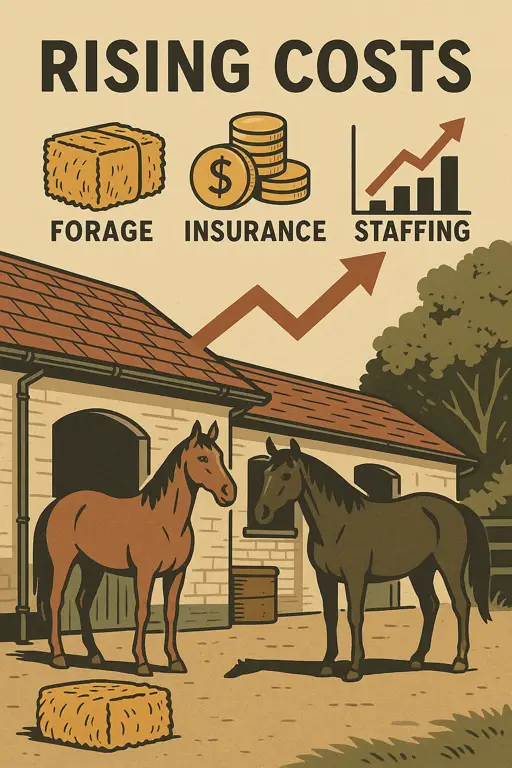
Rising Costs & Administrative Burdens
Costs—from feed to insurance—keep climbing. Add the pressure of maintaining licensing and regulations, and many small operations just can’t keep pace.
Staffing Issues Intensified by COVID
Before the pandemic, staffing was already a tightrope walk. Since COVID, it’s become far more challenging: long hours, low pay, and burnout are driving people away—often into sectors offering easier, better-compensated roles.
Insight from the BHS
Hick notes that while capacity isn’t necessarily the issue—many schools still have waiting lists—the challenge is in productivity and profitability, under heavy operational stress Horse & Hound. That shortage of staff has cascading effects: fewer lessons, stretched management, and decreased care.
Glimmers of Hope
There are upsides. Since 2022, there’s been a “considerable increase” in animal activity licensing—encompassing pony parties to equine-assisted therapy.
Plus, the BHS’s Career Transition Fund has distributed 1,400+ vouchers to help train new coaches, and their Changing Lives Through Horses (CLTH) programme now reaches 1,700+ young people, delivered by 150 riding schools, generating around £4 million in incremental value annually for schools Horse & Hound.
The Staffing Crisis Since COVID: The Invisible Breakdown
- Long, demanding hours: Caring for horses means early starts, late finishes, and seven-day dedication—not appealing to those seeking flexibility.
- Better alternatives: Retail, logistics, and hospitality now offer higher pay for less emotional and physical labor.
- Burnout and attrition: Many passionate professionals left during or post-pandemic—and recovery of that workforce has been slow.
- Owners stretched thin: With fewer staff, owners are forced to pick up the slack, often at emotional, financial, and physical cost.
The result is that centres are left stretched thin. Owners and managers are forced to pick up the slack, horses risk not getting the same level of attention, and fewer lessons can be offered. This creates a vicious cycle that makes it even harder for small, family-run yards to survive.
The Wider Impact
The closure of a riding centre doesn’t just affect horses and riders—it hits:
- Young riders losing confidence-building experiences
- Adults losing connection to outdoor life and mental well-being
- Local communities losing hubs of equine-assisted therapy and volunteering
How Communities Can Help Protect Riding Centres
To support survival and resurgence, centres need:
- Bookings and engagement—every lesson or hack helps.
- Fair pricing—to reflect true care costs and sustain staff and welfare.
- Institutional support—wider recognition of their social and mental health contribution.
- New business pathways—like therapy, pony parties, and CLTH to diversify income.
A Note of Optimism
Despite the alarming closures, the Horse & Hound report reflects real strength:
“The news is not good, but it could be a lot worse. And the resilience is incredible… people are innovative and creative…” Horse & Hound Read More
Equine communities are adapting—it’s risky, yes, but many are innovating to survive.